 Muttmates
Dogs in the car: restraint, heat and long-haul comfort
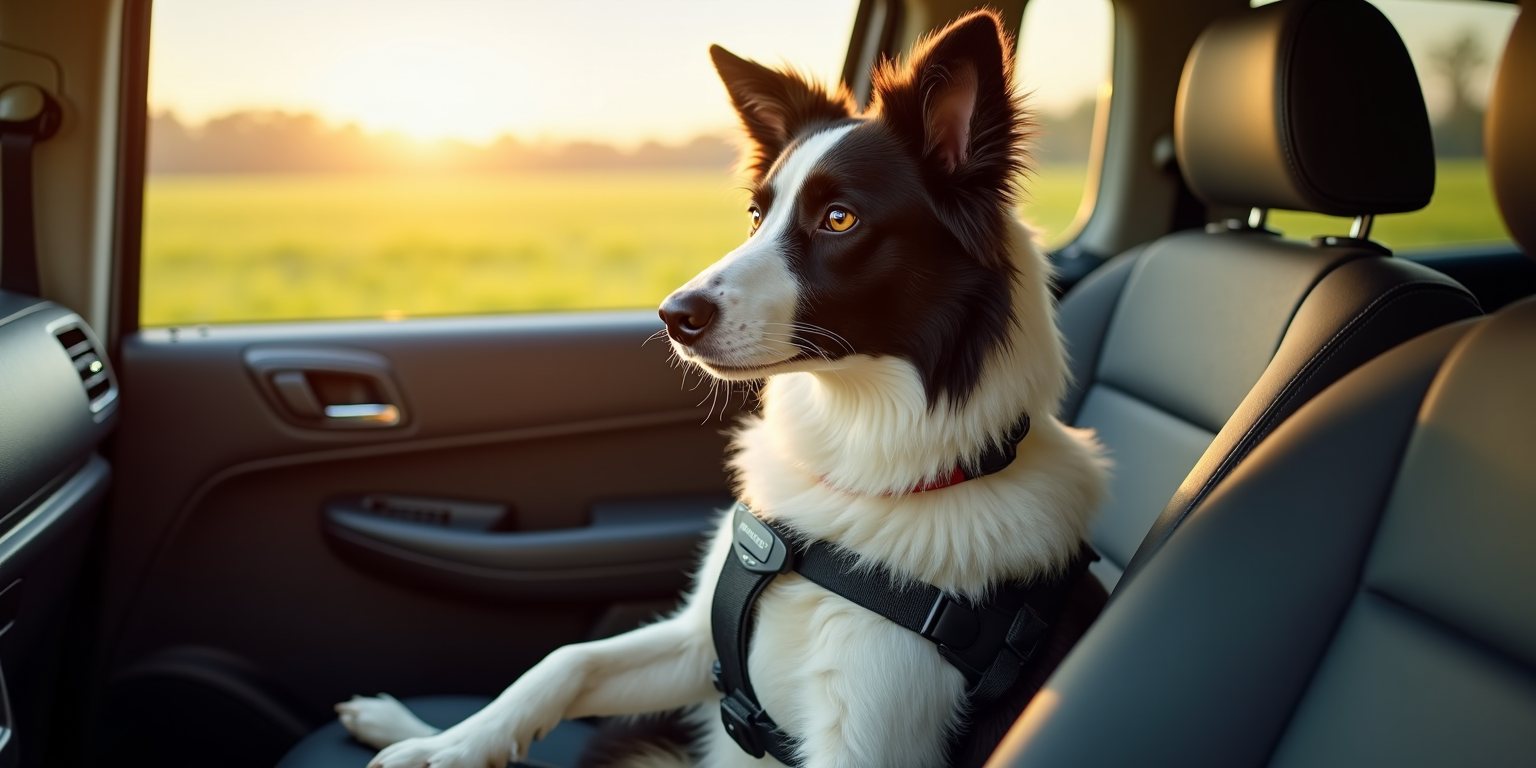
Most of what Muttmates helps you find, the park, the beach, the overnight stop, sits at the end of a drive. The drive itself is the least glamorous part of dog ownership and the part where the most can go wrong. Here is our plain guide to dogs in cars: restraint, heat, and keeping a long haul comfortable for everyone.
Restraint: the rules vary, the physics doesn't
Road rules for dogs differ between states, so check your own state's current rules rather than taking anyone's summary, including ours. The common threads across the country: a driver can be penalised when an animal interferes with control of the vehicle, animals should not be carried on a driver's lap, and a dog on an open ute tray or trailer must be secured. Animal welfare law also applies to how a dog is carried. Beyond the law, the physics is blunt: an unrestrained dog becomes a projectile in hard braking, at any weight you would rather not calculate for your own dog. Restraint protects the dog, and it protects the humans in the front seats from the dog's momentum.
Picking a restraint that actually restrains
- A crash-rated harness clipped to the seatbelt or a cargo anchor is the simple default for the back seat. Look for one that has been independently crash tested, not just "car" printed on the box, and never clip a tether to a collar: in a stop, a collar tether is a hanging, not a restraint.
- A secured crate in the cargo area suits dogs that settle in dens and is the tidy answer in wagons and SUVs. The crate itself must be anchored; a loose crate is just a bigger projectile with a dog inside.
- A cargo barrier keeps the dog out of the cabin but does little in a side impact or rollover; barrier plus harness or crate is the stronger pairing.
- Window rules: nose in the breeze is a postcard and an eye injury waiting to happen, and a window open far enough for the head is open far enough for the dog. Windows up to a gap, head inside.
Heat: the one that kills
A parked car heats like an oven even on a mild day, cracked windows or not, shade or not, and dogs cool poorly at the best of times. The rule that admits no exceptions: the dog is never left in a parked car in warm weather, not for a quick shop, not "just five minutes". Plan around it the way the caravan parks force you to anyway, since most will not let a dog be left unattended at a site either. On the road itself, run the air conditioning to the back (check it actually reaches the cargo area; in many wagons it barely does), offer water at every stop, and shift the driving to mornings in summer.
Long hauls: the two-hour rhythm
Our road trip planner builds stop lists for a reason: dogs travel best on a rhythm of roughly two hours driving, then a proper leg stretch, a sniff, water and a toilet break. Feed light before driving, not a full breakfast as you roll out, and carry the dog's usual water from home to keep a sensitive stomach settled. Watch for drooling, lip licking and restlessness early in the trip: car sickness and car anxiety both improve with short, boring, pleasant practice drives before the big one, and a vet can help with the genuinely motion-sick dog well before departure.
The boot-ful checklist
- Restraint fitted and clipped before the car moves, every trip, including the five-minute ones, which is where most habits are made.
- Water, bowl, lead and pick-up bags where you can reach them without unpacking.
- Vaccination photos and microchip number in your phone, and the vet directory for the towns along the way.
- ID tag with a mobile number that will be answered on the trip.
- An old towel. There is always a reason, and it is usually wet.
See how the road trip planner works
Road rules and animal welfare requirements differ by state and change over time; check your state's current rules. Nothing here is legal or veterinary advice.
Common questions
Is it illegal to drive with an unrestrained dog?
Road rules differ by state, so check your own state's current rules. Common threads across the country: drivers can be penalised when an animal interferes with control of the vehicle, animals should not travel on a driver's lap, and a dog on an open ute tray must be secured.
What is the safest way for a dog to travel in a car?
A crash-tested harness clipped to the seatbelt or a secured, anchored crate in the cargo area. Never clip a tether to a collar, and never rely on a loose crate or an open window gap.
How often should I stop on a long drive with a dog?
Roughly every two hours for a leg stretch, a sniff, water and a toilet break. The Muttmates road trip planner builds those stops into your route from its parks, beaches and rest areas.