 Muttmates
Dog beach rules in Australia: how to read a beach before you unclip
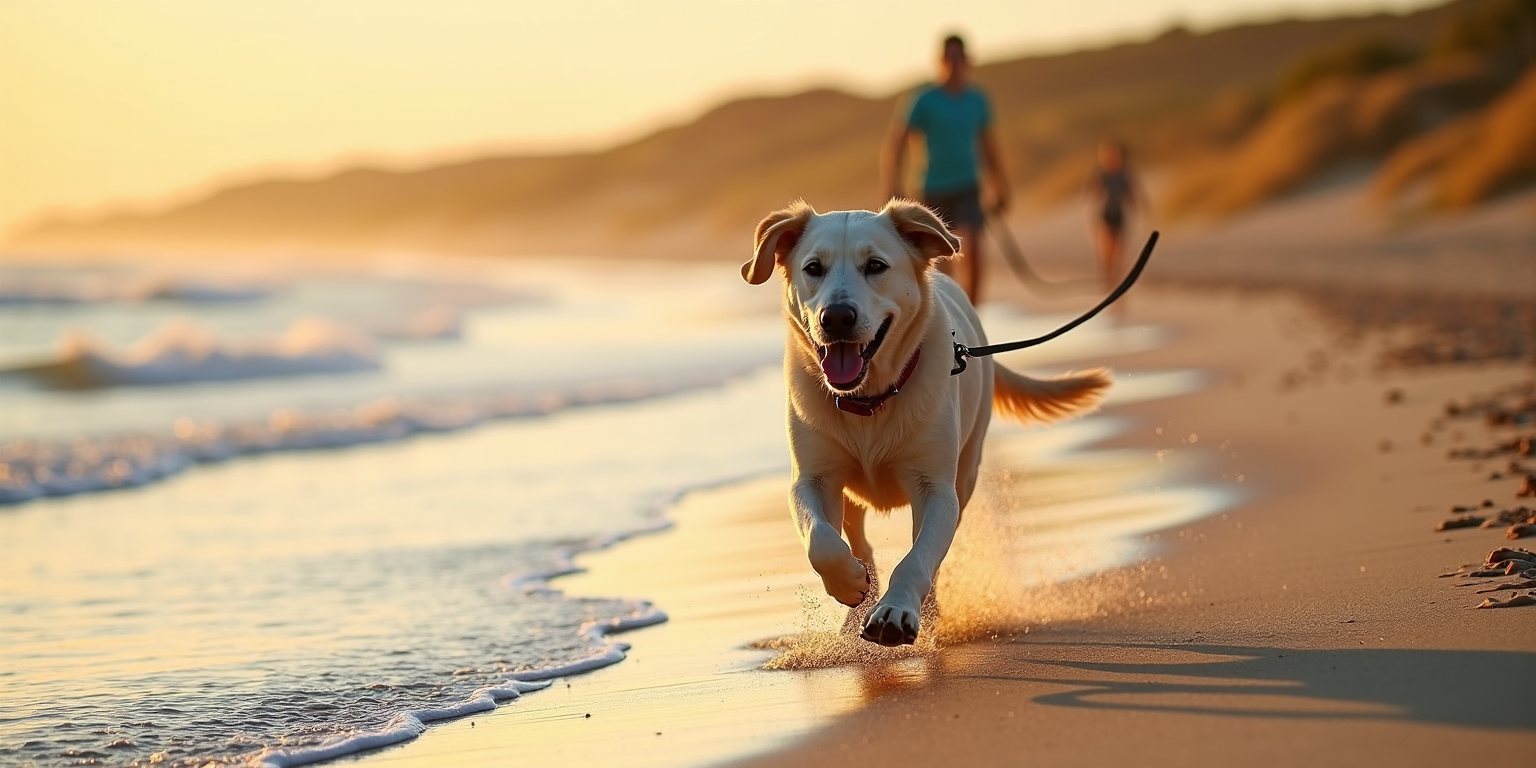
A dog at full stretch on wet sand is one of the best things dog ownership has to offer, and Australia is generous with places to do it. We track dozens of dog beaches around the country on Muttmates. The catch is that beach rules are the most local, most seasonal and most changeable rules in the whole dog world, and getting them wrong on a patrolled beach gets expensive. Here is how to read a beach before you unclip the lead.
Who makes the rules
Beaches are managed by local councils, and sometimes by a state agency where a beach touches a conservation area. There is no national rule for dogs on beaches, and not even a state-wide one you can rely on. One council bans dogs from every beach it manages, the next one over runs a famous off-leash stretch. That is why the answer to "can dogs go on this beach?" is always local, and always worth checking close to the day you go.
The four kinds of beach you will meet
- Off-leash, all hours. The good ones. Often a defined stretch between two markers rather than the whole beach, so know where it starts and ends.
- Off-leash, timed. Very common near towns: dogs off-leash before a morning cut-off and after an evening one, banned or on-leash in the middle of the day. Times often change between summer and winter, and some councils tighten them over school holidays.
- On-leash only. Still a beach walk, still worth having. The lead stays on, including in the water.
- No dogs at all. Usually the patrolled swimming beaches, and almost always any beach inside a national park. Dogs are banned in national parks, and that includes the sand below the dunes.
Reading the signs, because the signs are the law
The sign at the beach access path is the current rule for that stretch, and it beats every website, app and well-meaning local, including us. Look for three things: the boundary markers for where the off-leash section starts and stops, the hours if it is a timed beach, and any seasonal note. If two signs seem to disagree, the stricter one is the safe reading. Councils do patrol the popular ones, and rangers have heard "I didn't see the sign" before.
Beach sense that is not on any sign
- Salt water is not drinking water. A dog hot from running will drink the sea if that is what is in front of it, and sea water makes dogs sick. Carry fresh water and offer it often.
- Watch the dog, not the horizon. Rips and shore dumps catch dogs the same way they catch people, and a tired dog in deep water tires fast. Fetch into the waves deserves the same judgement you would apply to a kid in the surf.
- Hot sand burns pads. If the dry sand is uncomfortable on your bare feet, it is uncomfortable on theirs. Stay on the wet sand in the heat of the day.
- Rinse afterwards. Salt and sand in the coat and ears cause itching and infections. A quick fresh-water rinse at the beach shower saves a vet visit.
- Wildlife has right of way. Nesting shorebirds use the dunes and the high sand in spring and summer, and a loose dog in a nesting area is a genuine harm, not a technicality. If a section is roped or signed off for birds, give it room.
The polite off-leash beach dog
Everything that makes a dog welcome at a park applies on sand, with one addition: space is wider and recall matters more. Not everyone on a dog beach is there for dogs. Call your dog back before it reaches picnics, toddlers, anglers and anyone lying down. A soaking wet dog greeting a stranger at speed is only funny to the person holding its lead.
Beach rules change with seasons and council decisions. We keep our listings as current as we can, but the signage at the beach is always the final word.
Common questions
Can I take my dog to any beach in Australia?
No. Each local council decides which of its beaches allow dogs, when, and whether a lead is required, so the answer is always local. Muttmates lists known dog beaches by state, and the signs at the beach access path carry the current rules.
What is a timed dog beach?
A beach where dogs are allowed off-leash only in set hours, commonly early morning and evening, and restricted or banned in the middle of the day. The hours often change between seasons, so re-read the sign even at a beach you know.
Why are dogs banned from some beaches entirely?
Usually because the beach is patrolled for swimming, sits inside a national park where dogs are banned, or protects nesting shorebirds. Those bans are enforced, so it pays to check before you drive.